
Relationship Intelligence

Strength Deployment Inventory® (SDI)

Insights to improve relationships. The Strength Deployment Inventory® (SDI) helps people understand their motives and behaviours, so they can communicate better, collaborate more effectively, and build stronger, more inclusive relationships at work.
The SDI triangleThe SDI triangle with Accommodate (blue) at the top left, Assert (red) at the top right and Analyze (green) at the bottom, with the Hub in the centre. Four example people are plotted: Kent Washington (motives Red-Blue, conflict R-B-G), Amy Chang (motives Blue, conflict G-B-R), Victoria Patel (motives Red, conflict R-[BG]) and Mark Logan (motives Green, conflict G-R-B). Arrows show how each person's motives shift in conflict.ACCOMMODATEASSERTANALYZEKWKent WashingtonMotives: Red-BlueConflict: R-B-GACAmy ChangMotives: BlueConflict: G-B-RVPVictoria PatelMotives: RedConflict: R-[BG]MLMark LoganMotives: GreenConflict: G-R-B

When motives are misunderstood

Friction builds fast

When people make assumptions about the intent behind someone else's behaviour, they often get it wrong. Misread motives can quickly create tension, weaken collaboration, and make everyday work more difficult.

These misunderstandings are a common but often overlooked source of workplace friction and execution breakdown.

The SDI helps people uncover the motives behind behaviour so they can interpret interactions more accurately, respond more constructively, and work together more effectively.

Explore SDI

Relationship Intelligence

The Four Views of SDI

A practical, balanced picture of motivation, behaviour, and conflict supporting stronger relationships.

Motivational Value System (MVS)

Hover to learn more

Motivational Value System (MVS)

At the heart of the SDI is your unique MVS. Every individual is driven by a distinct blend of three fundamental motives: People, Performance, and Process. It highlights what truly motivates you when circumstances are favourable.

  • •Enhance self-awareness to improve performance
  • •Align personal motives with team goals
  • •Boost satisfaction by understanding personal drivers

Conflict Sequence

Hover to learn more

Conflict Sequence

Learn how your motives shift under pressure. The SDI Conflict Sequence outlines how your motivations change in challenging situations, helping you navigate conflict more effectively and resolve it quicker.

  • •Improve conflict management and resolution skills
  • •Maintain productivity during workplace tensions
  • •Foster a positive environment in high-pressure moments

Strengths Portrait

Hover to learn more

Strengths Portrait

The SDI identifies your top strengths and how you apply them at work. Your Strengths Portrait maps the behaviours that contribute to your success in building relationships and achieving results.

  • •Enhance collaboration through strength recognition
  • •Apply strengths more strategically in team settings
  • •Improve overall workplace performance

Overdone Strengths

Hover to learn more

Overdone Strengths

Recognise when your strengths become liabilities. The Overdone Strengths Portrait helps you identify when your strongest qualities may be overused, leading to unintended negative effects and triggering conflict.

  • •Gain greater control over your behavioural tendencies
  • •Prevent conflicts caused by overdone strengths
  • •Cultivate healthier, more balanced professional relationships

What clients and delegates say

Client quote

“With the SDI, leaders are better able to communicate with their staff, and staff interactions have improved because they better understand what is motivating themselves and their teammates.”

Katy Winecke

Learning Development Manager, CHS

Resources

Resources for Building Relationship Intelligence

Explore practical insights and expert perspectives to better understand what drives behaviour, navigate conflict more effectively, and strengthen workplace relationships.

Webinar: Building a Culture of Psychological Safety

A replay on making psychological safety a strategic priority for leaders, so teams can raise concerns and disagree without fear.

Watch
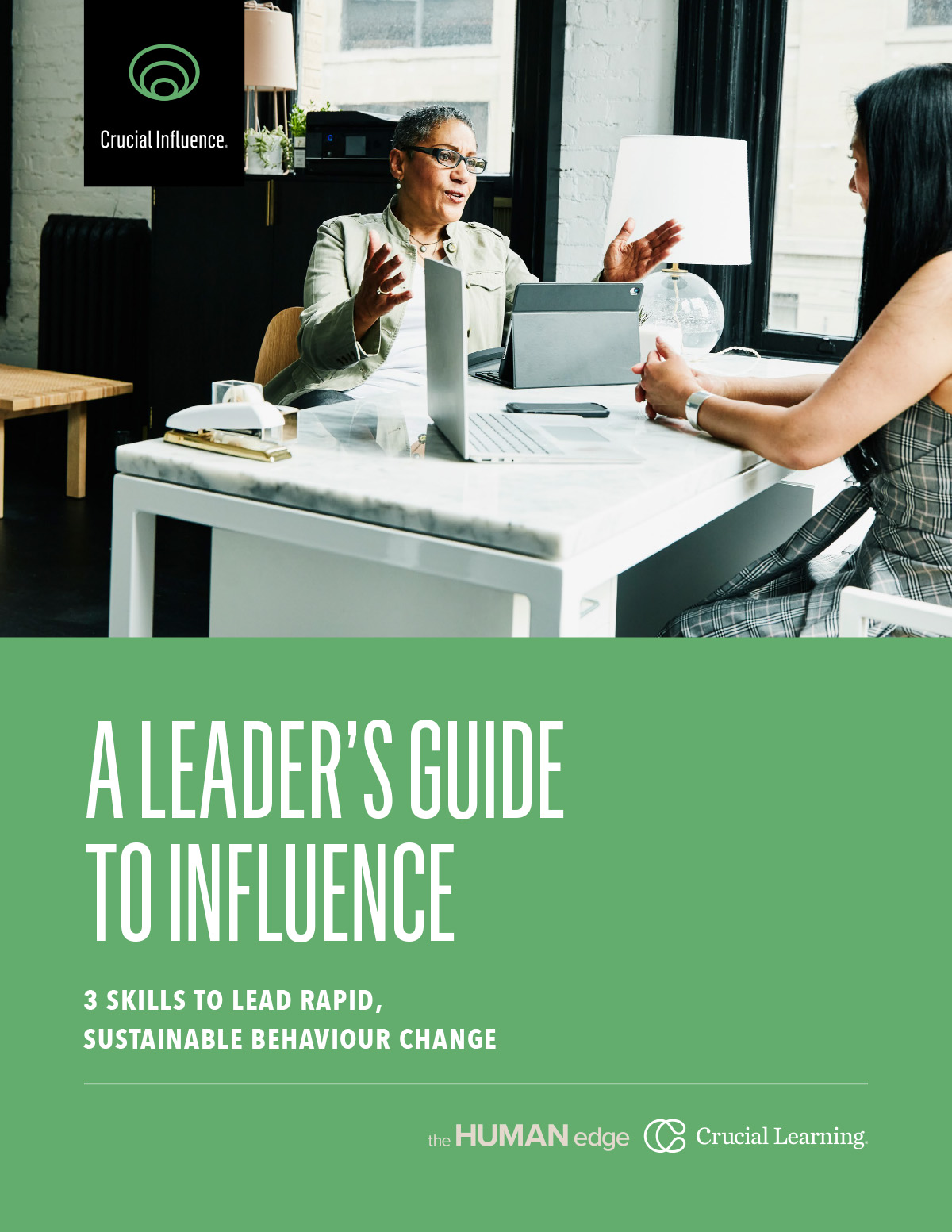
eBook: A Leader’s Guide to Influence

Explore how understanding what drives people helps you influence more effectively and build stronger working relationships.

Download
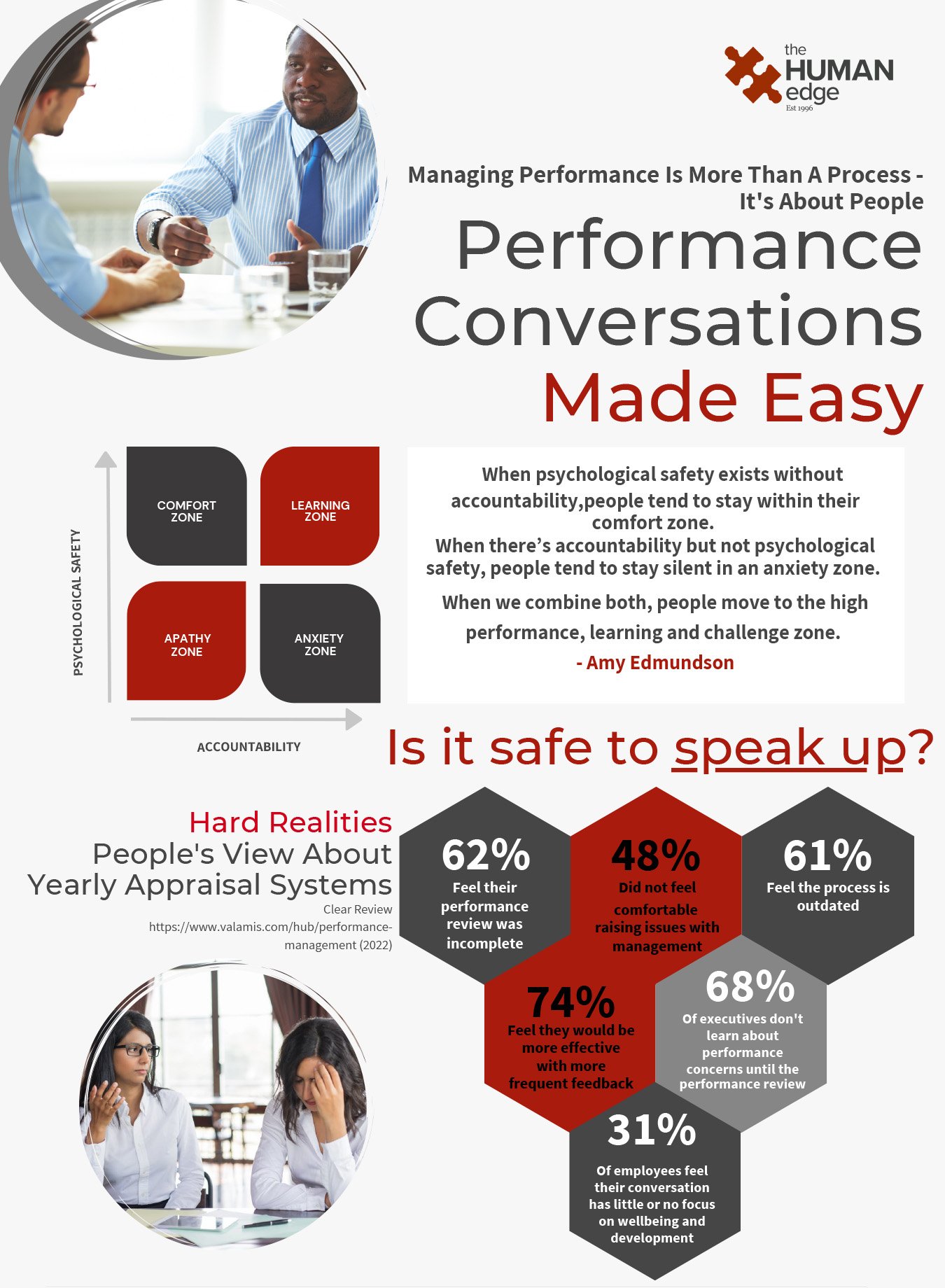
Case Study: Performance Conversations Made Easy

How a financial services client used people-first conversations to make performance management more than just a process.

Download
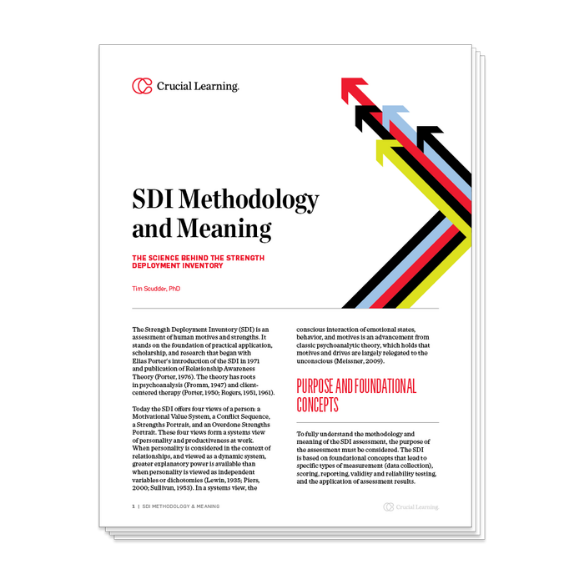
SDI Methodology and Meaning

Rooted in Practice

Scientifically Validated

Rooted in Relationship Awareness Theory and decades of research and practical application, SDI provides a view of personality, conflict, strengths, and how this all plays out in relationships to help people interpret behaviour more accurately and improve interactions.

For a deeper look at the theory, research, and methodology behind the assessment, explore the “SDI Methodology and Meaning.”

Relationship Intelligence

Stronger relationships. Better results.

Use SDI to unlock self-awareness, navigate conflict, and build high-performing, inclusive teams that achieve more, together.